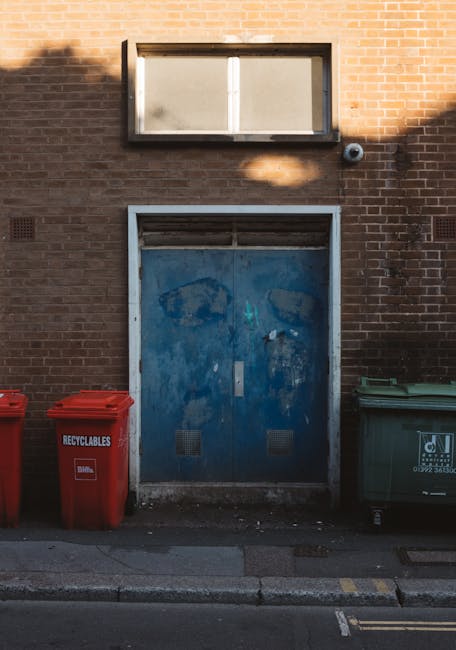
Rubbish collection access problems for flats in Lambeth estates: a practical guide for residents, landlords and property managers
If you live in a block of flats or manage one in Lambeth, you will know how quickly rubbish access issues can turn from a nuisance into a proper headache. Missed collections, blocked bin stores, narrow estate roads, locked gates, bulky items left in stairwells, and awkward shared entrances all create the same end result: waste piles up, smells creep in, and everyone starts asking whose turn it is to sort it out. That is the reality behind rubbish collection access problems for flats in Lambeth estates, and it affects residents, caretakers, housing teams and private landlords alike.
This guide breaks the problem down in plain English. You will learn why access matters, how collection arrangements usually work in estates, what to do when vehicles or crews cannot get in, and which practical steps make the biggest difference. We will also cover best practice, common mistakes, compliance considerations and a few real-world fixes that tend to work better than people expect. Truth be told, a lot of these problems are avoidable once the system is set up properly.
One quick note: the best solution is rarely just "get someone to take it away". More often, the answer is about access, timing, storage, communication and choosing the right service for the site. And yes, that can feel a bit dull at first. Then the bin room starts smelling on a warm afternoon and suddenly it matters quite a lot.
Why Rubbish collection access problems for flats in Lambeth estates Matters
Access issues are not just about inconvenience. When bins are hard to reach, hard to move, or hard for crews to collect safely, the knock-on effects spread fast. A missed uplift can become an overflow within a day or two, especially in shared buildings where several households generate waste at once. In an estate setting, one blocked bin store can affect an entire block.
In Lambeth, as in many dense London boroughs, flats are often served by shared bin stores, rear service yards, narrow access roads, controlled entry points or timed collection windows. That means rubbish management is part logistics, part building management, and part people management. If any one of those pieces slips, the whole arrangement can wobble.
The practical impact is easy to see:
- odours around bin stores and communal corridors
- pests attracted by overfilled containers or loose bags
- trip hazards from waste left in stairwells or fire exits
- friction between residents when nobody feels responsible
- extra costs if emergency removal becomes necessary
- complaints to managing agents, landlords or housing teams
There is also a reputational issue. A tidy estate feels cared for. A messy one does not. That sounds obvious, but it matters. Residents notice when rubbish systems work well because they barely have to think about them. When they do not, everyone notices. Especially on a wet Tuesday morning when the lift smells faintly of old takeaway and damp cardboard.
Practical takeaway: if rubbish cannot be collected easily, the problem is usually not "too much waste" on its own. It is more often a mismatch between storage, access, collection timing and resident behaviour.
How Rubbish collection access problems for flats in Lambeth estates Works
In a typical flat development or estate, waste may be stored in communal bins, sacks, cages or covered bin areas before collection. The collection point has to be reachable by the crew or vehicle, safe to service, and clear enough for bins to be moved without obstruction. That sounds simple. In practice, it rarely is.
Common access barriers include locked gates, poor turning space, parked cars, narrow routes, broken bin-store doors, overgrown landscaping, uneven surfaces, faulty codes, missing keys, or residents leaving bins in the wrong place. Sometimes the issue is not physical access but timing. Crews arrive before a gate is opened, after a vehicle has blocked the route, or on a day when bins were not brought out.
For estates, the process usually works best when there is:
- a clearly identified bin collection point
- unobstructed access for the collection team
- agreed collection times or windows
- consistent resident instructions
- someone responsible for resolving access issues quickly
Where the process breaks down, the symptoms are predictable. The collection may be delayed, bins may be left unemptied, or waste may be taken only from the easiest-to-reach point. Then, once one lift is missed, the next day gets harder. The site begins to look unmanaged, even if the underlying problem is really a gate code, a parking issue, or a bin room key that nobody can find.
In some cases, a property manager or resident association will choose a specialist clearance service for overflow, bulky items or hard-to-access loads. That can be a sensible short-term fix while the access issue is being sorted. Services such as flat clearance or waste removal can help when the ordinary system has stalled and waste needs to be removed carefully from a multi-occupancy building.
Key Benefits and Practical Advantages
Solving access problems properly is not just about making the site look neat. It improves how the whole building functions day to day. And to be fair, the benefits tend to show up quickly once the basics are in place.
- Cleaner communal areas: fewer bag leaks, fewer stray items, fewer smells.
- Better resident satisfaction: people are far less frustrated when rubbish is removed on schedule.
- Lower pest risk: accessible, well-managed waste areas are less attractive to vermin.
- Safer walkways: clear access reduces blocked exits and trip hazards.
- Fewer complaints: good systems cut down on repeat emails and escalation.
- More predictable costs: planned access is usually cheaper than emergency callouts.
There is another benefit that gets missed: easier communication. When residents understand exactly where to put their waste and when collections happen, there is less guesswork. Less guesswork means fewer mistakes. Less mess. Fewer awkward conversations in the foyer.
If your block also deals with bulky household items, broken furniture or end-of-tenancy clearances, having the right support in place makes life noticeably easier. Relevant services such as furniture disposal and mattress and sofa disposal can be useful where ordinary bins are not appropriate and items need to be removed without damaging common parts.
Who This Is For and When It Makes Sense
This topic matters to a surprisingly wide group of people. If you are reading because one building issue has started becoming everyone's problem, you are in the right place.
Residents: if waste is regularly left near your flat, if bin stores are locked at the wrong times, or if collections are missed because access is poor, you need a simple, reliable way to escalate the issue.
Landlords and letting agents: if you own or manage flats in a Lambeth estate, access problems can affect tenant experience, void periods and maintenance costs. The waste system needs to be part of property management, not an afterthought.
Managing agents and housing officers: you may be responsible for coordinating access, contractor instructions and resident communication. In that case, the details matter. Very much so.
Caretakers and concierge teams: you are often the first to notice when a bin room is becoming unworkable, or when a collection crew cannot get through a gate or around a parked van.
Freeholders, resident management companies and RTM boards: if the estate has shared responsibility, you need a process that is clear enough to survive a busy week and a holiday period.
It makes sense to tackle the issue when you see recurring signs such as:
- bins left uncollected more than once
- residents storing waste in corridors "for now"
- bulky items accumulating beside bin stores
- reported access confusion between contractors and building staff
- complaints about smell, spillages or pests
In short: if the waste setup needs constant rescue, it is time to redesign it.
Step-by-Step Guidance
Here is a practical way to deal with rubbish collection access problems without turning it into a three-week chain of unanswered messages.
- Identify the real blockage. Is it a locked gate, a key issue, parking, a route width problem, poor signage, or residents putting waste in the wrong place?
- Map the collection journey. Walk it yourself if you can. Start where the waste is stored and follow the route to the collection point. You will often spot the problem in under two minutes.
- Check who controls each access point. Who has keys, fobs, codes or responsibility for opening gates? If the answer is "everyone and no one", that is not ideal.
- Fix the physical barriers first. Move parked cars, repair broken locks, clear obstructions, trim overgrowth, improve lighting or widen the route where feasible.
- Standardise the instructions. Residents need one clear set of directions, not a chain of conflicting notes.
- Set a fallback plan. If the regular collection cannot happen, who can authorise temporary removal or an emergency uplift?
- Review bulky waste separately. Sofas, mattresses and appliances need a different approach from everyday bagged waste.
- Monitor and adjust. Check whether missed collections drop after the change. If not, there is probably another hidden access issue.
A small real-world observation: one of the simplest fixes is often better signage. Not glamorous, not expensive, but it can prevent the classic "I thought this was the bin room" problem that seems to happen in every large block eventually.
If you are dealing with cluttered common areas or a one-off sweep of a badly backed-up block, a broader service such as home clearance can be a practical starting point, especially when the waste is mixed and the access route needs careful handling.
Expert Tips for Better Results
After enough site visits, a pattern becomes obvious: the best waste systems are not the fanciest ones. They are the ones that are easy to use on a rushed weekday afternoon, when someone is carrying shopping in one hand and a bin bag in the other.
- Keep access instructions brutally simple. If the route needs a paragraph to explain, shorten it.
- Use one named contact for the site. Crews and residents both need to know who to call when access breaks down.
- Separate everyday waste from bulky items. This avoids bin stores becoming mini dump sites.
- Time collections around estate reality. Avoid school-run chaos, market days, or known parking pinch points where possible.
- Check lighting and signage. Bad lighting makes a bin route feel narrower and less safe than it is.
- Keep a spare set of access tools where appropriate. Keys, codes and fobs have a habit of disappearing exactly when needed. Funny how that works.
There is also a communication tip that gets overlooked: tell residents what happens next after a missed collection. Even a short update reduces complaints. People can cope with a problem if they understand it. They struggle much more with silence.
If your block regularly receives furniture, electrical items or mixed household rubbish, it can help to plan a clear onward route using services such as fridge and appliance removal and furniture clearance where appropriate. That keeps heavier items from clogging shared spaces.
Common Mistakes to Avoid
Most access problems do not come from one big failure. They come from a handful of small mistakes repeated until the whole thing goes wobbly.
- Assuming access will "sort itself out". It rarely does.
- Changing arrangements without telling residents. Then people keep using the old routine.
- Blocking bin routes with parked vehicles, deliveries or stored items. This is one of the most common causes of missed collections.
- Using the wrong service for the waste type. General waste, bulky items and specialist materials should not all be handled the same way.
- Ignoring recurring faults in gates, doors or locks. If a door sticks every Thursday, that is not a coincidence.
- Leaving responsibility vague. When nobody owns the process, nobody fixes it quickly.
Another mistake is overcomplicating the solution. People sometimes design a perfect process that only works if three staff members are on site and the weather is kind. That is not a process. That is wishful thinking in a spreadsheet.
For estates with ongoing clutter, skip replacement or one-off clearance needs, specialist help such as garage clearance or loft clearance may also be useful if stored overflow is spilling into communal areas. Keep the chain simple and controlled.
Tools, Resources and Recommendations
You do not need a big system to get better results. You need a few reliable tools and habits that make access easier to manage.
- Site access log: record missed collections, blocked routes, broken locks and recurring issues.
- Resident notice template: a short, plain-English instruction sheet for where and when to place waste.
- Photo record: useful for showing access barriers and building a pattern over time.
- Simple contact list: include the person responsible for gates, keys, caretaking and contractor liaison.
- Seasonal review: summer smells, winter darkness and holiday periods all affect collections differently.
For mixed-use buildings or office-to-residential conversions, it can also help to review whether parts of the building are generating waste that should be handled separately. In some cases, business waste removal or office clearance may be relevant if commercial waste is entering a residential collection stream by mistake.
Another useful resource is a clear pricing conversation upfront. If you are comparing help for urgent access-based clearances, services like pricing and quotes can make it easier to understand what is included, what access conditions affect the job, and whether a one-off uplift or regular support is the better fit.
Law, Compliance, Standards, or Best Practice
For flats and estates, waste handling sits close to several compliance concerns, even when the practical issue looks simple. You do not need to become a legal expert to make sensible decisions, but you do need to think about safety, access and duty of care.
Good practice usually means the following:
- keeping escape routes and communal corridors clear
- avoiding waste storage in fire exits or shared walkways
- making sure collection arrangements do not create unsafe manual handling
- using appropriate containers for the waste being stored
- ensuring contractors have safe access and clear instructions
- separating hazardous or specialist waste from ordinary household rubbish
For items that may be hazardous, contaminated or otherwise unsuitable for normal bins, do not improvise. That applies to anything from damaged appliances to materials that need careful handling. A service such as hazardous waste disposal should only be used where the waste type is genuinely appropriate for specialist handling.
Health and safety matters too. If crews have to lift heavy items through tight stairwells, or if residents are moving waste through shared areas, risk goes up quickly. A well-run site should be consistent with common-sense safety practice and the building's own procedures. Where suitable, a provider's health and safety policy and insurance and safety information can help you judge whether they are set up for this kind of work.
Best practice also means caring about environmental handling. If recyclable material is mixed with general waste because access is poor, that is a waste of value and space. A bit of sorting discipline helps. So does using services with a proper recycling and sustainability approach where relevant.
Options, Methods, or Comparison Table
There are several ways to deal with rubbish access issues in flats. The right choice depends on how serious the problem is, how often it happens and who is responsible for the site. Here is a simple comparison to help.
| Option | Best for | Strengths | Limitations |
|---|---|---|---|
| Improve access at the existing bin point | Recurring but fixable access issues | Low disruption, long-term benefit | May need building works or management action |
| Change resident instructions and timings | Behaviour-driven problems | Fast to implement, inexpensive | Needs consistent communication |
| Arrange a one-off clearance | Overflow, bulky waste, missed collections | Quick relief, restores order | Does not solve the root cause alone |
| Use a specialist clearance service regularly | High-volume or complex sites | Predictable support, easier planning | Ongoing cost |
| Redesign storage or collection arrangements | Persistent estate-level failures | Best long-term outcome | Takes time and coordination |
For some sites, a brief intervention is enough. For others, especially larger Lambeth estates with repeated access clashes, the right answer is a deeper review of how the whole system is set up. If waste volume and access constraints are both high, the fix may involve changing storage, not just collection.
Case Study or Real-World Example
Consider a mid-sized estate with several low-rise blocks sharing one bin area at the back of the site. Residents were leaving bags outside the store because the door key was held only by one caretaker, and collections were often missed when that person was off site. On top of that, delivery vans sometimes parked close to the turning point, which meant the collection vehicle could not safely reach the bins.
The result was familiar: overflow, complaints, a bit of blame passing around, and one particularly unpleasant summer week when the smell made its way into the stairwell by late afternoon. Nobody was thrilled, to put it mildly.
The fix was not dramatic. The team did four things:
- issued a simple resident notice with photos of the correct bin point
- created a spare-access arrangement so more than one person could open the store
- marked the turning space more clearly to discourage parking
- booked a short-term clearance for the backlog, then reset the collection routine
Within a short period, the site was easier to manage. Missed collections were reduced because the access issue was visible and assigned to someone. The key lesson was simple: when a rubbish problem keeps repeating, the root cause is often a process fault, not a one-off mistake by residents.
For buildings with larger amounts of mixed household clutter or post-tenancy rubbish, a planned service such as house clearance can be a useful reset, especially when a property has become difficult to manage due to accumulated items.
Practical Checklist
Use this checklist if you need to get the situation under control quickly.
- Is the bin store or collection point easy to reach without moving obstacles?
- Do the people responsible for access have working keys, codes or fobs?
- Are residents clear on where waste should be placed?
- Are bulky items being kept separate from normal bin waste?
- Is there a named contact for missed collections and access issues?
- Have parking and turning-space problems been reviewed?
- Are fire exits and communal corridors kept clear?
- Are hazardous or specialist items separated out?
- Has the site been checked for recurring faults in gates, locks or signage?
- Do you have a contingency plan for missed collections or overflow?
If you can answer "no" to several of these, start there. Not all at once, of course. That way lies chaos and a lot of unnecessary emails.
Conclusion
Rubbish collection access problems for flats in Lambeth estates are usually solvable, but they need more than a quick tidy-up. The best results come from getting the basics right: clear access, simple instructions, the right collection method, and someone who owns the process from start to finish. Once those pieces line up, the rest becomes much easier.
Whether you are a resident dealing with a frustrating bin store, a landlord trying to keep tenants happy, or a managing agent trying to reduce complaints, the smartest move is to treat access as part of waste planning, not a separate headache. That small shift in thinking makes a big difference.
If the problem keeps coming back, do not just patch over it. Review the route, the storage, the timings and the responsibility chain. Then reset the system properly. A good estate waste setup is one of those quiet things that makes a place feel cared for. And once it is working, everyone notices less, which is exactly the point.
Get a free quote today and see how much you can save.
Frequently Asked Questions
What causes rubbish collection access problems in flat estates?
The most common causes are blocked routes, locked gates, poor signage, parked cars, missing keys or unclear responsibility for opening bin areas. Sometimes the collection point is fine, but the timing is wrong and the crew arrives when access is unavailable.
Who is usually responsible for fixing access issues?
That depends on the ownership and management structure of the building. In practice, it is often the landlord, managing agent, housing team, resident management company or caretaker. The key is that one person or team should own the issue, even if others help.
What should residents do if bins are not being collected?
Report the issue quickly to the building contact, managing agent or landlord, and include details such as the date, time, bin location and what blocked access. Photos can help, but keep the report factual and short.
Can bulky waste be left beside the bins in a block of flats?
Usually no, not unless the building has agreed arrangements for it. Bulky waste can block access, create hazards and attract complaints. It is better to arrange a separate collection or use a suitable clearance service.
How can an estate reduce missed collections?
Keep access routes clear, make sure gates and locks work, give crews accurate instructions, and make resident directions easy to follow. A simple access log is also useful because it helps spot recurring issues before they become a pattern.
Is it a good idea to store rubbish in communal corridors?
No, not as a routine practice. Corridors and escape routes should stay clear. Waste stored in shared walkways can create fire safety and hygiene problems, even if it is only there "for a bit".
What if the bin store is too narrow for easy collection?
If the route is permanently too tight, the site may need a redesign or a different collection method. In the short term, a specialist removal service may be more practical than trying to force a standard collection system to fit.
How do I know if I need a one-off clearance or a long-term fix?
If the issue was caused by a temporary backlog, a one-off clearance may be enough. If the same access problem keeps returning, you probably need a process change, not just another uplift.
What waste items need special care in flats?
Large furniture, mattresses, fridges, electrical items and anything potentially hazardous should be separated from normal household rubbish. These items need the right handling, especially in shared buildings with limited access.
Can better signage really make a difference?
Yes, more than people expect. Clear signage reduces confusion, helps residents use the right point, and makes the collection route easier for contractors to follow. It is a small fix that often pays back quickly.
Should I ask for insurance and safety information from a clearance provider?
Yes, especially in a flat block or estate setting. You want to know they can handle work safely, protect communal areas and manage access responsibly. That is not overcautious; it is sensible.
What is the best first step if rubbish is already building up?
Start by clearing the route and identifying why access is failing. If the waste has already accumulated, arrange a controlled removal first, then fix the reason it happened. Otherwise the same mess tends to return, annoyingly enough.
Where can I find more help if the problem involves other clearance work too?
If the issue includes furniture, appliances, clutter or mixed waste, it can help to look at related services such as flat clearance, furniture removal or general waste support so the right type of collection is arranged from the start.